500% Tariffs Ahead for India & China? Trump Clears Russia Sanctions Bill — What It Means
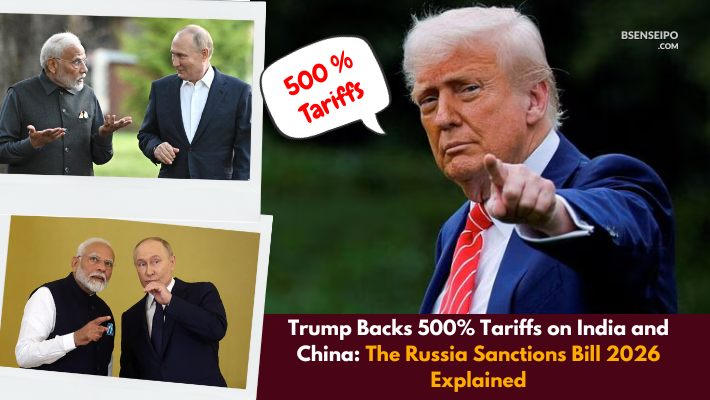
On January 7, 2026, U.S. President Donald Trump officially “greenlit” the Sanctioning Russia Act of 2025, a bipartisan bill that could fundamentally reshape global trade. The legislation, spearheaded by Senators Lindsey Graham and Richard Blumenthal, introduces the threat of 500% tariffs against major economies—specifically India, China, and Brazil—to force an end to their purchase of Russian energy.
In a major development with far-reaching implications for global trade and geopolitics, U.S. President Donald Trump has green-lit a bipartisan sanctions bill targeting countries that do business with Russia, particularly those importing Russian energy products such as oil, gas, and uranium. The move follows ongoing criticism in Washington over such trade fueling Russia’s war against Ukraine.
What’s the New Sanctions Bill?
The legislation, widely reported as the “Sanctioning Russia Act of 2025,” would empower the U.S. president to impose punitive tariffs of up to 500% on imports from countries found to be “knowingly engaging in the exchange of Russian energy commodities.” While final enactment still requires full Congressional approval, Trump has signaled strong backing, allowing the bill to advance through congressional processes.
U.S. Republican Senator Lindsey Graham — one of the bill’s chief sponsors — described the legislation as a tool to pressure global buyers of Russian energy to reduce or cease purchases that he argues help finance Moscow’s military operations. China, India, and Brazil are specifically cited as possible targets, given their significant Russian crude imports.
The “Leverage” Strategy
The bill is designed to give the U.S. President “tremendous leverage” to dismantle the financial lifelines of the Russian military. By targeting the buyers of Russian crude oil and uranium, the U.S. aims to dry up the revenue fueling the war in Ukraine.
“This bill will allow President Trump to punish those countries who buy cheap Russian oil fueling Putin’s war machine,” Senator Graham stated.
Why India & China Could Be Impacted
India and China have increased purchases of discounted Russian oil amid global supply shifts since the 2022 Ukraine invasion. For India, Russian crude sometimes accounted for a substantial share of its overall imports, offering cheaper energy but triggering geopolitical backlash from the U.S. Washington has already imposed elevated tariffs on Indian exports — totalling around 50% — for previous trade and oil import disputes.
Under the proposed bill, countries like India and China could be subject to massive tariff hikes — potentially up to 500% — on their goods entering the U.S. market if they continue importing Russian energy. Such measures would represent an intense escalation of trade pressures, far beyond traditional tariff disputes.
Wider Economic & Diplomatic Impacts
For India:
-
A 500% tariff threat could hit key Indian export sectors such as pharmaceuticals, textiles, IT services, and engineering goods.
-
Reduced access to the U.S. market might tip global supply chain balances, particularly for items where India holds competitive strength.
-
Long-term diplomatic ties with the U.S., which have grown in strategic and defence cooperation, could be strained if energy and economic policies collide.
For China:
-
China’s vast export base to the U.S. could be disrupted, potentially affecting consumer prices and manufacturing networks.
-
Beijing’s response could include diplomatic pushback, retaliatory trade measures, or alternative supply partnerships with Europe and Asia.
Global Trade & Oil Markets:
-
A 500% tariff regime could disrupt global supply chains, driving up costs and inflationary pressures in both the U.S. and affected economies.
-
Nations may seek alternative energy suppliers beyond Russia and reshape trade alliances to avoid secondary sanctions.
-
Broader trading norms under the World Trade Organization (WTO) may be tested as nations contest the legal basis for such sweeping tariffs.
Key Stats & Provisions
| Provision | Detail |
| Minimum Tariff | 500% on all goods and services from target countries |
| Primary Targets | China, India, Brazil |
| Mandated Review | President must determine compliance every 90 days |
| Energy Ban | Prohibits U.S. exports of energy products to Russia |
| India Status (Current) | Combined 50% tariff (25% reciprocal + 25% oil penalty) |
Timeline of Events
-
Jan 7, 2026: Trump “greenlights” the bill after meeting Lindsey Graham.
-
Next Week: Expected bipartisan vote in the U.S. Senate.
-
Jan 2026: India’s Russian oil imports projected to drop below 1 million bpd.